
The print on demand business model, explained
A practical look at how print on demand works, what you still pay for, and how to judge a shirt idea before you scale it.

On this page
The print on demand business model is simple: you sell a shirt first, then it gets printed for that order. That keeps cash out of inventory, but it does not make the math disappear. Your margin still has to cover the shirt, shipping, storefront fees, refunds, and the time it takes to make a design people want.
Short answer
Print on demand lets a seller list original shirt designs without buying a stack of blanks up front. When a customer orders, the printer makes and ships that item. It is a lower-inventory model, not a no-work model. The business works when your design, price, fulfillment cost, and customer acquisition cost leave room for profit.
For a shirt seller, the useful question is not "can I start without inventory?" You can. The question is whether one order leaves enough money after the costs you can see and the costs you forgot to put in the spreadsheet. Toolbox POD prints every tee DTF, one order at a time, with no shirt minimum.
How the print on demand business model works
The order of operations matters. You build the offer before production starts, which means your first job is deciding who the shirt is for and why they would choose it over the thousand other designs in their feed.
| Step | What happens | What you control |
|---|---|---|
| 1. Make the design | You create original artwork and choose the shirt, color, and placement. | The niche, artwork, wording, and product page. |
| 2. List the shirt | Your store shows the design before a physical shirt is made. | Price, photos, description, and where shoppers find it. |
| 3. Customer orders | The order creates a production request. | Customer communication and any changes you allow. |
| 4. Print and ship | The printer produces the individual shirt and sends it to the buyer. | Your print partner, fulfillment settings, and service standards. |
| 5. Keep the difference | You receive the sale price less production, shipping, payment, and store costs. | Your margin and the work you put back into the business. |
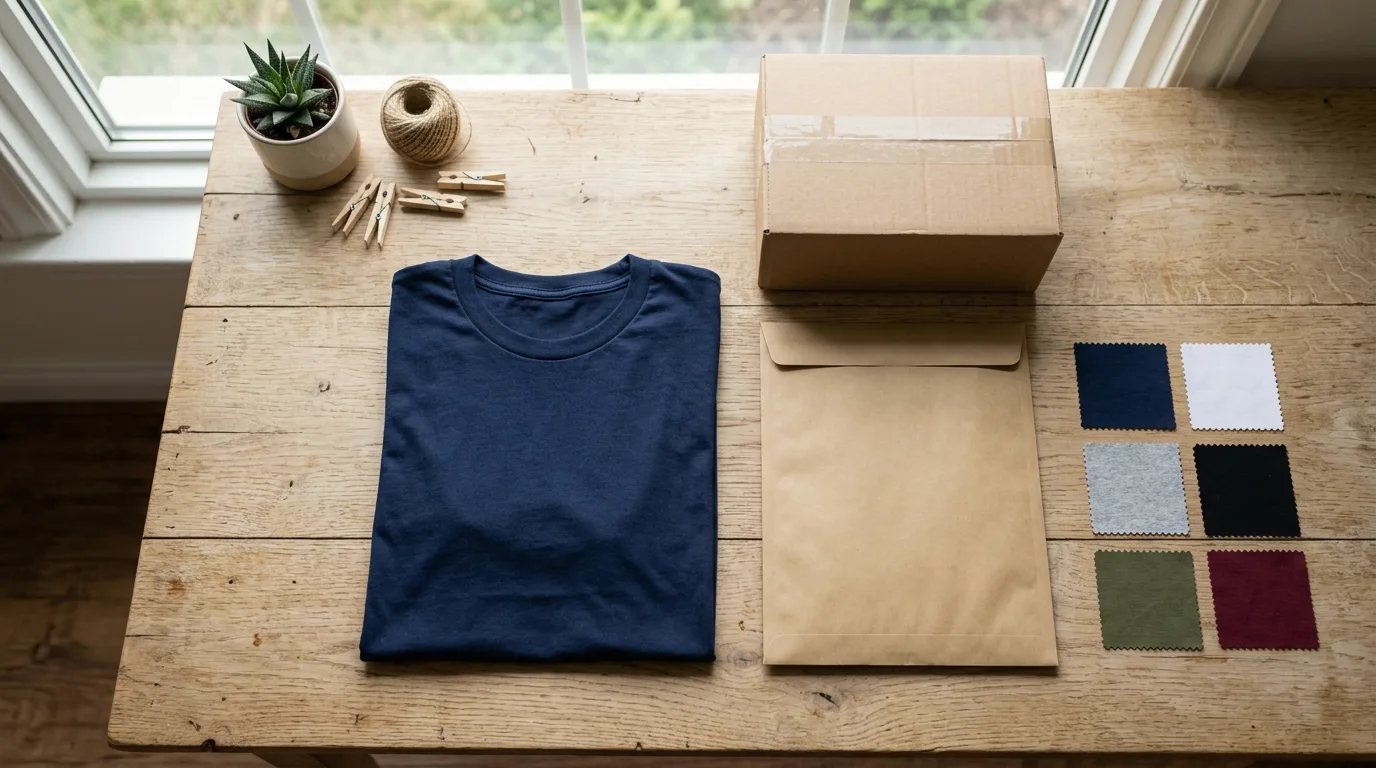
Production starts after the sale, so a clean product page and clear customer expectations do more work than a closet full of blanks.
What you pay for, and what you do not
Inventory is the cost most people notice first. In print on demand, you do not pay to fill a garage with shirts before you have customers. You pay per ordered item instead. That trade is useful for testing a niche, running a small launch, or keeping a long-tail catalog alive without guessing which sizes will move.
Costs that usually happen per order
Shirt production, any second-side print, shipping, payment processing, marketplace fees, and taxes where applicable.
Costs that still exist before an order
Design time, samples, store software, photography or mockups, customer support, ads, and the mistakes you make while learning a market.
Toolbox POD's current shirt pricing gives a concrete starting point. A Gildan 64000 from S through XL with one printed side is $8.59. Shipping is a flat $5.95 per order, whether the order has one shirt or several. A back print adds $5.00 per shirt. Comfort Colors 1717 starts at $11.59 for S through XL. Those are fulfillment inputs, not your retail price.
One Gildan 64000, landed before store fees
Toolbox POD prices checked November 20, 2026 at toolboxpod.com/pricing. Store fees, taxes, and your retail price are separate.
A margin is not a sticker price
| Retail price | What your customer pays for the shirt |
| Fulfillment cost | What the printer charges for the shirt and shipping |
| Gross profit | Retail price minus fulfillment cost |
| Actual profit | Gross profit after your store, payment, ad, refund, and tax costs |
Where new sellers get the math wrong
Low inventory can make a business look cheaper than it is. It removes one kind of risk, but you still need a reason for a buyer to stop scrolling. A $24 shirt that costs $14.54 to fulfill leaves $9.46 before payment processing, platform fees, any promotion, and support. That may be enough for a direct sale with repeat buyers. It can get thin fast if every first order needs paid traffic.
Mistake 01
Pricing from the shirt cost alone
A shirt price needs to carry more than the blank and print. Add the costs that happen after checkout before you decide a design is profitable.
Mistake 02
Launching a broad pile of unrelated designs
A clear niche gives you better product names, better search terms, and a better chance that one buyer will want another design from the same shop.

A simple tee can be the product. The hard part is making the offer specific enough that a shopper sees themselves in it.
Pick a model that matches your actual time
Start with one buyer group
Choose a group you understand, such as a school club, a local event type, a hobby, or a family occasion. Make original designs around the moments they already talk about.
Launch a small, connected set
Give shoppers a few choices that belong together. A tight collection is easier to explain than fifty unrelated jokes.
Order a sample before you scale
Check the placement, color, and hand feel on the real garment. A digital image is useful, but it cannot show every detail that matters after the shirt arrives.
Track one design at a time
Watch visits, add-to-carts, orders, refunds, and repeat demand. A design that attracts clicks but no orders needs a different offer, not more copies.
Keep the first test small
One audience, a few original designs, and a clear price will teach you more than a huge catalog with no point of view.
If you are still choosing a storefront and fulfillment setup, read how to start a print on demand business. Sellers building their first listings can also use our shirt pricing guide, then compare the two tees on Comfort Colors 1717 vs Gildan 64000. This guide belongs in the Toolbox POD guides hub.
Questions people ask about the print on demand business model
Do you need inventory to start a print on demand business?
No. In print on demand, a shirt is produced after a customer orders it. You still need money for samples, storefront costs, design work, and marketing if you use it.
How does a print on demand seller make money?
The seller keeps the amount left after the retail price covers fulfillment, shipping, payment fees, store costs, refunds, taxes, and any customer acquisition cost.
Is print on demand profitable for beginners?
It can be, but a low inventory requirement does not guarantee a margin. Profit depends on a design people buy, a retail price that covers the full cost of the sale, and a reliable way to reach the right buyer.
What is included in Toolbox POD shirt pricing?
One printed side is included in the listed shirt price. A second printed side adds $5.00 per shirt. Shipping is $5.95 per order, and taxes appear at checkout when applicable.
Want to test the numbers on a real shirt instead of a vague estimate?
See prices →Start with one shirt, not a warehouse Price a DTF-printed tee, choose a color, and see what your first small test could cost. |
More in Guides
See all →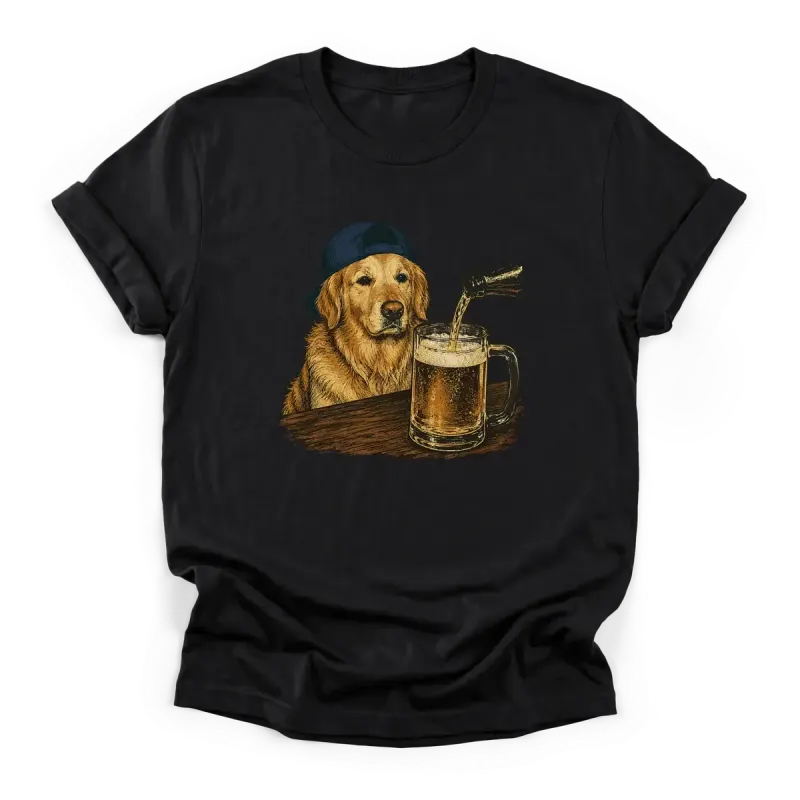
Toolbox POD is now in ApparelHub
Toolbox POD is now a fulfillment provider in ApparelHub. Build a product once, sell it on Shopify, WooCommerce, Wix or TikTok Shop, and we print and ship each US order from our shop in Utah. Here's how to connect, what it costs and what to know first.
Make AI Designs Print-Ready for T-Shirts
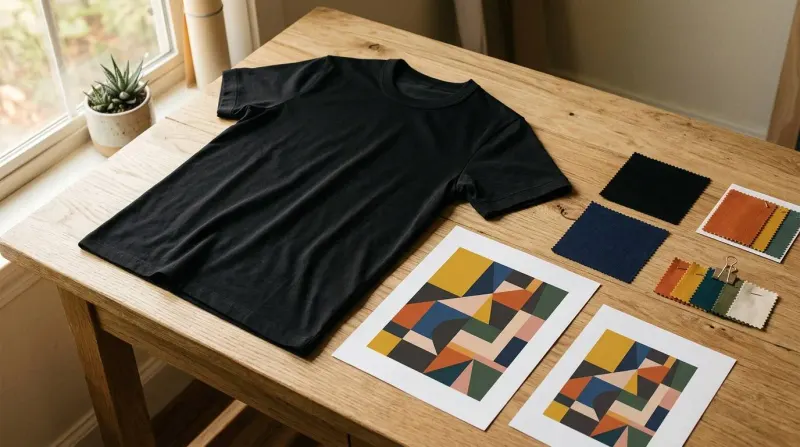
A practical file check for turning an AI shirt concept into a print-ready design. Catch bad edges, weak contrast, tiny type, and placement problems before you order.
How to sell shirts on Etsy: a practical start
A practical first-listing plan for Etsy shirt sellers. Choose a clear audience, price the real order, order a sample, and improve from what buyers ask.