
How to start a print on demand business
A practical first-launch plan for a print on demand t-shirt business. Pick an audience, price from real costs, order a sample, and learn before you scale.

On this page
A print on demand business can start small: one audience, a few original shirt ideas, a storefront, and a printer that makes each order after it sells. The hard part is not opening the store. It is making choices that leave room for a real margin, a clear offer, and enough patience to learn what people actually buy.
Short answer
Start with a narrow customer group, make a small set of original designs, choose a selling channel, price from your actual shirt and shipping costs, then order a sample before you push traffic. Keep the first launch simple enough that you can see which design, message, and audience deserve a second round.
| First decision | Useful starting point | Why it matters |
|---|---|---|
| Audience | One group with a shared occasion or interest | You need a reason for someone to notice your shirt. |
| First drop | Three to six original designs | Enough choice to learn, not so much that every design gets ignored. |
| Blank | Gildan 64000 or Comfort Colors 1717 | They give buyers a clear fit and price choice. |
| Fulfillment | DTF printing, made to order | You can sell without buying an inventory pile first. |
1. Pick a customer before you pick a graphic
"People who like funny shirts" is too broad to guide a first launch. A better start is a group with a shared moment: dog rescue volunteers, new pickleball players, a yearly family reunion, or people who work a particular shift. That does not mean you have to know every buyer personally. It means you can answer a few practical questions: where will they wear this, what would make them laugh or nod, and what would they never put on?
Write down ten phrases, situations, or visual cues that belong to that group. Then remove anything that depends on a celebrity, sports team, lyric, or brand. Original work is easier to build on, easier to explain, and much safer to sell.
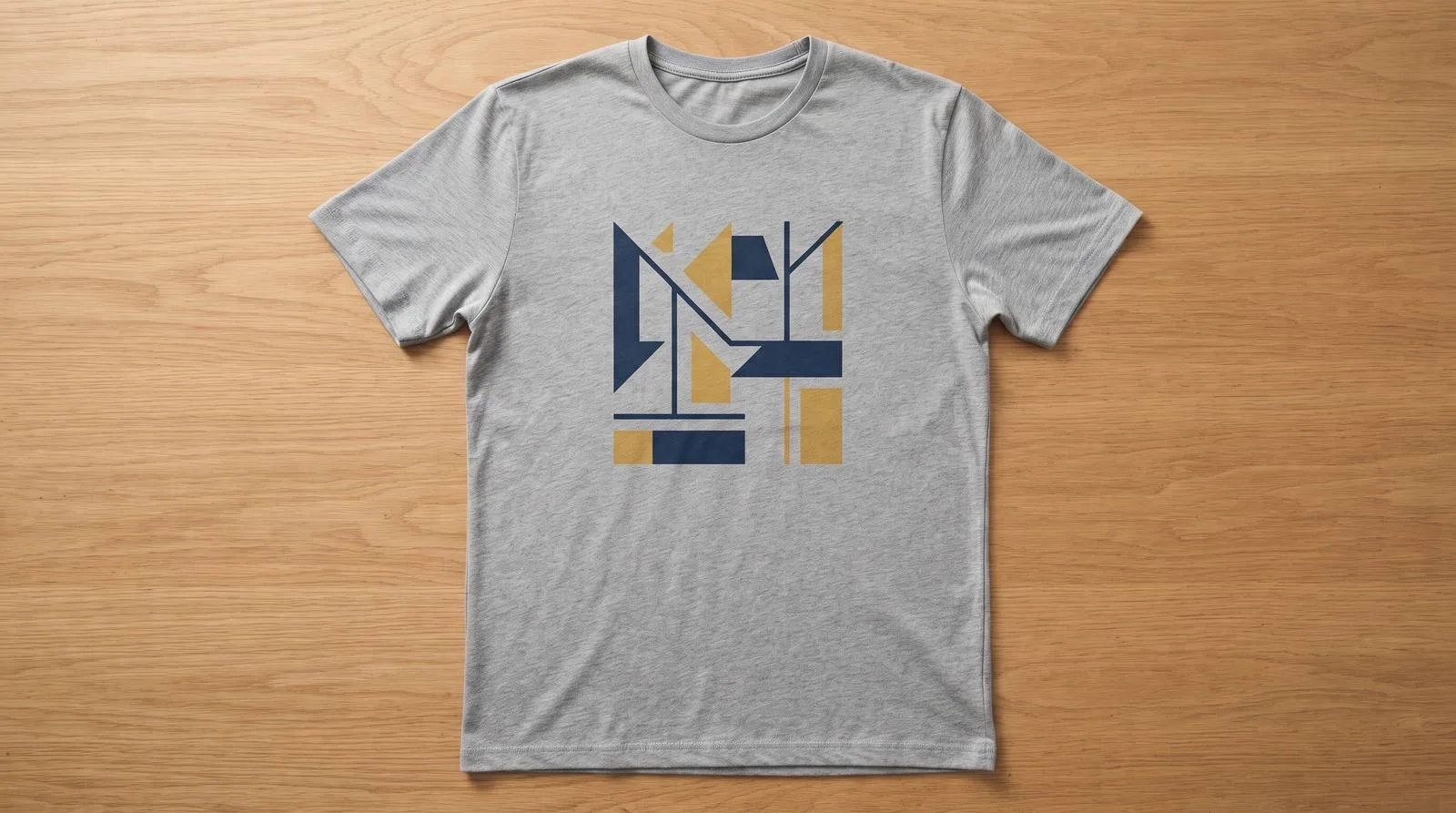
A first design needs a clear read from a few feet away. Save tiny details for a later version, after you know the concept has traction.
2. Make a small first collection
Your first shirts are a test, not a museum opening. Build three to six designs around the same audience, then give each one a different job. One can be the obvious insider reference. One can be quieter. One can be more giftable. That gives buyers options without turning the first launch into a guessing game.
Keep the print itself practical. High-contrast shapes and type tend to read better than a busy pile of tiny elements. If you want help turning a rough concept into a shirt-ready file, our guide to designing a t-shirt with AI walks through the prompt, revision, and print-check side without pretending the first draft is always ready.
Do this
Launch a focused set around one audience and watch which idea earns clicks or orders.
Not this
Open with fifty unrelated designs and no clue which part of the catalog is doing the work.
3. Know the shirt cost before you set the selling price
Start with the cost you can verify today, then leave room for the work around the shirt: design time, marketplace fees, refunds, samples, and the occasional mistake. At Toolbox POD, a Gildan 64000 in sizes S through XL with one printed side is $8.59. Comfort Colors 1717 starts at $11.59. Shipping is a flat $5.95 per order, whether the order holds one shirt or several. A second printed side adds $5.00 per shirt. Those are current list prices from our pricing page, not a number to copy forever.
A simple one-shirt cost check
Toolbox POD prices checked November 7, 2026. Marketplace fees and your selling price are separate.
The order total is not automatically your customer-facing price. Decide whether you will charge shipping separately, build some of it into the shirt price, or offer a threshold for free shipping. Whatever you choose, test the checkout flow yourself. Buyers notice surprises at the end.
Do not price from a guess
A shirt that looks profitable before fees, shipping, and returns can turn into a loss quickly. Use current supplier pricing, then update your math whenever you change blanks, print sides, or sales channel.
4. Choose the selling channel that matches your next move
You do not need every channel on day one. A marketplace can put your shirts near existing shopper demand. Your own store gives you more control over the brand and customer list. If you already run a Shopify store, a print-on-demand connection can reduce the manual work after an order lands. If you are testing an Etsy audience, start with our Etsy print on demand setup guide and focus on clean listings before you add more products.
For your first product page, show the design on the actual blank colors you offer, state the fit plainly, and make the delivery expectation easy to find. Toolbox POD currently offers the classic Gildan 64000 in 16 colors and the garment-dyed Comfort Colors 1717 in 8 colors. Both run S through 3XL. See the full fit and color breakdown on the shirt page.
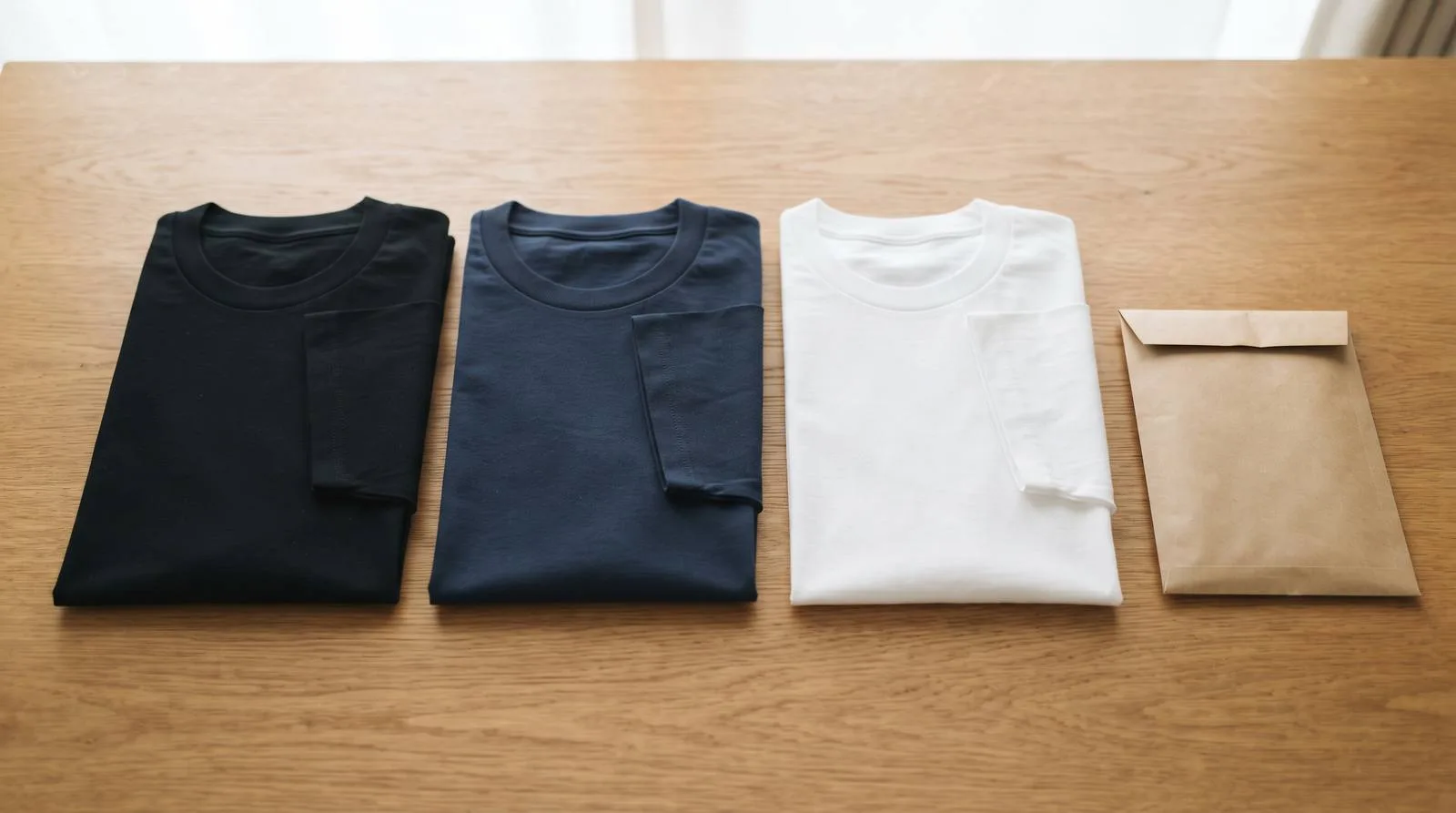
Offer fewer color choices at first if that helps you keep mockups, fit notes, and listing photos consistent.
5. Order a sample and make the boring checks
Buy your own shirt before you ask strangers to buy one. Check the print size from arm's length, the placement, the color against the mockup, and the garment feel. Wash it. Photograph it in normal light. Read your own product page on a phone and try to find the size and shipping details without hunting.
Open the order as a buyer would
Choose a color, size, and print placement. Look for confusing options or a checkout surprise.
Inspect the delivered shirt
Check the DTF print for sharp edges, solid color, and placement that makes sense on the tee.
Fix the listing before more traffic arrives
Replace weak mockups, clarify the fit, and write the questions you had into the listing copy.
Questions new POD sellers ask
Can I start a print on demand business without inventory?
Yes. With print on demand, a shirt is made after a customer orders it, so you do not need to buy a stack of finished shirts before you test a design. You still need to budget for samples, listing work, and customer service.
How many shirt designs should I launch with?
Three to six designs is enough for a first focused collection. It gives people a choice while making it possible to learn which concept and message are actually working.
What printing method does Toolbox POD use?
Every Toolbox POD shirt is printed with DTF. It works well for full-color shirt artwork and lets us make shirts to order with no minimum quantity.
Should I use Gildan 64000 or Comfort Colors 1717?
Choose Gildan 64000 for the lower starting price and 16-color range. Choose Comfort Colors 1717 when you want a garment-dyed premium tee. Both are available from S through 3XL.
The bottom line
Start narrow, price from current costs, and learn from a real sample before you scale. A small launch with a clear audience beats a giant catalog built on guesses.
Put your first idea on a real tee Upload an original design, choose a shirt color and size, and order one sample before you build the next drop. |
More in Guides
See all →
How to price print on demand shirts
A practical way to price print on demand shirts without losing the margin to shipping, fees, and discounts. Start with the full order, not a guess.
Etsy print on demand: how to set up and sell
A practical Etsy POD setup guide for sellers who want original shirt ideas, honest listings, and a production partner they can trust.
How to start a t-shirt business, step by step
A practical way to start selling shirts: choose a real audience, test a small collection, order samples, and learn from the first orders.