
How to start a t-shirt business, step by step
A practical way to start selling shirts: choose a real audience, test a small collection, order samples, and learn from the first orders.

On this page
A t-shirt business gets easier once you stop treating it like a logo contest. Pick a buyer you can describe, make a small batch of designs for that buyer, show the shirts clearly, and learn from the first orders before you expand.
Short answer
Start with one narrow audience, three to five original designs, and one reliable tee. Set up a place to sell, order samples, then put your attention into photos, listing copy, and a small launch. You do not need a garage full of inventory to test whether people want the idea.
| First decision | A practical starting point | Why it matters |
|---|---|---|
| Audience | One group with a real shared joke, habit, job, or event | It gives each design a point of view. |
| Catalog | Three to five related designs on one or two tees | You can test a theme without burying buyers in choices. |
| Fulfillment | Print after the customer orders | You do not tie cash up in sizes and colors that may not move. |
| Launch | A clear product page and a small, specific audience | Early feedback is useful only when the right people see it. |
1. Pick a buyer before you make a design
"People who like funny shirts" is too broad to guide a business. A useful starting audience has a shared reference point: local pickleball players, tired school staff, new dog owners, book-club regulars, a family reunion, or a neighborhood fundraiser. You are looking for a group that can recognize itself without being told.
Write one sentence: "I make shirts for ___ who want to say ___." Keep it plain. If the sentence could fit any shirt shop, tighten it. The first few designs should feel like they came from the same person, even when they use different colors or layouts.
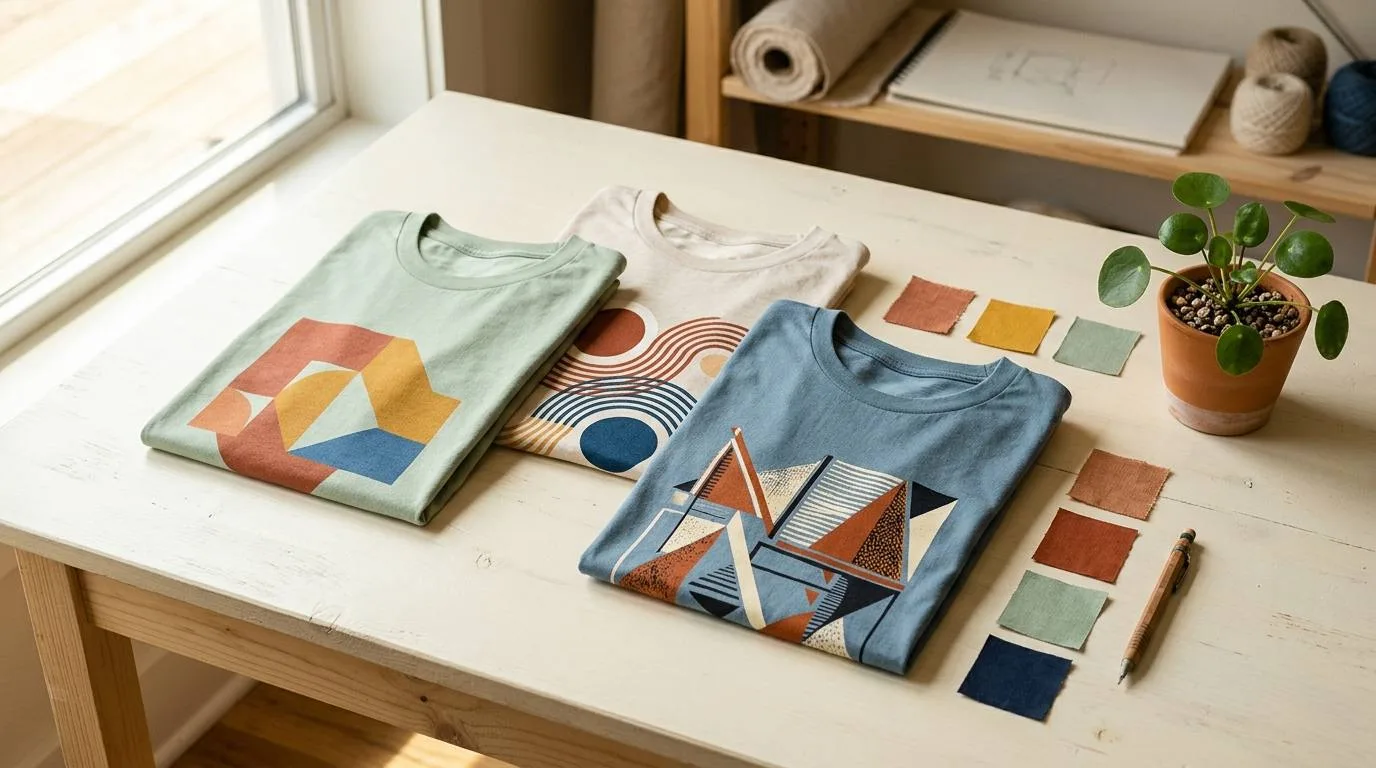
Start narrow enough that the first five designs look like a set, not a clearance rack.
2. Make a tiny first collection
Three to five designs are enough for a first release. Give each one a job. One can be the obvious statement design, one can be quieter, and one can test a different visual route. Keep the garment choice simple while you learn what the audience reacts to.
Toolbox POD prints every shirt with DTF. The shop offers the Gildan 64000 Softstyle in 16 colors and the garment-dyed Comfort Colors 1717 in 8 colors. Both run from S through 3XL. For a first test, the Gildan is the easier place to start because the one-side S to XL price begins at $8.59.
The statement
One design that says the thing your buyer would put on a shirt without explanation.
The inside joke
One design for the person already in the group. It can be subtler and more specific.
The giftable one
One design that works for a birthday, event, trip, or easy "this made me think of you" purchase.
The test
One different layout, color route, or message that teaches you what buyers prefer.
First-order math
| Gildan 64000, S to XL, one printed side | $8.59 |
| Comfort Colors 1717, S to XL, one printed side | from $11.59 |
| Back print, per shirt | +$5.00 |
| Shipping, per order | $5.95 |
Those are Toolbox POD's live prices checked October 31, 2026. Build your selling price from the shirt cost, shipping choice, marketplace or store fees, taxes where applicable, and room for returns or mistakes. Do not copy somebody else's retail price just because it looks tidy.
3. Order samples before you launch hard
A mockup can sell the idea, but a sample tells you whether the placement, ink scale, and garment feel make sense in real life. Order the exact colors and sizes you plan to sell. Wear them, wash them, photograph them in normal light, and check the design at arm's length.
Do this
Use one or two garment colors and make the design easy to read at thumbnail size.
Not this
Launch twelve shirt colors and six placements before you know whether anyone wants the design.
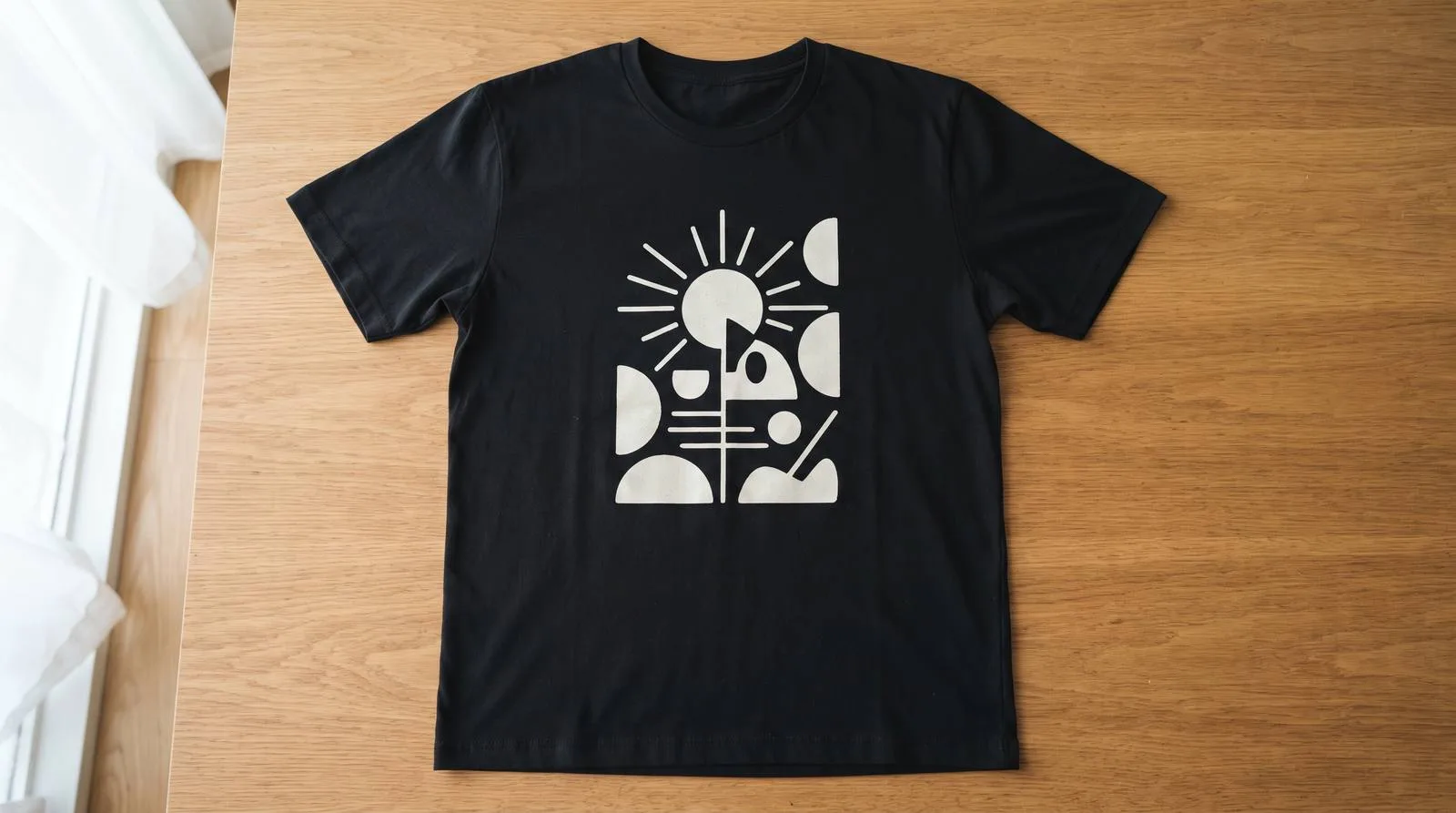
A physical sample catches small decisions that are invisible on a product page, especially print size and contrast.
4. Put the shirt where buyers can actually buy it
You need one clear route from seeing a design to ordering it. That might be your own storefront, a marketplace that fits the audience, an event preorder page, or a link you share with a group organizer. Make the product page answer the obvious questions: what the shirt is, which fit it has, available sizes and colors, when it prints, and what the buyer pays for shipping.
Keep your first launch small. Send it to the people most likely to care, then listen for the words they use. Questions about fit, colors, and delivery are product-page feedback. Questions about the design tell you where the next release should go.
Need the cost before you decide what to sell? Price a tee and shipping before you build the listing.
See prices →5. Learn from the first orders, then add on
The first release is a test, not a verdict on whether you can run a shirt business. Track which design gets clicked, which color is chosen, where buyers hesitate, and what they ask before checkout. A design that gets attention but no orders may need a clearer product photo or a better price. A design that sells to one very specific group may be the beginning of a real collection.
Add new designs slowly enough that each one teaches you something. When a theme works, make the next design more specific. When it does not, move on. Inventory-free fulfillment makes that easier because you are not trying to clear boxes of yesterday's idea.

Use your first launch to test one clear idea, then make the next choice from what buyers do.
Questions new shirt sellers ask
How much does it cost to start a t-shirt business?
Your starting cost depends on where you sell and how you market, but print-on-demand lets you avoid buying a run of shirts upfront. At Toolbox POD, a one-side Gildan 64000 in S to XL starts at $8.59, plus $5.95 shipping per order. Budget separately for samples, your selling platform, and any promotion you choose.
Do I need inventory to sell t-shirts online?
No. A print-on-demand setup can print after a customer orders, so you can test designs without stocking every size and color. You should still order samples before asking strangers to buy.
How many shirt designs should I launch with?
Start with three to five designs that belong to one audience or occasion. That gives buyers a choice and gives you enough data to see what message and style get attention.
What should I put on my first t-shirt designs?
Use original words and artwork built around a specific buyer's identity, hobby, event, or shared joke. Avoid copied graphics, lyrics, logos, and anything that relies on another company's intellectual property.
The bottom line
The fastest way to start is small: one audience, a handful of original ideas, real samples, and a simple place to order. Make the second release after the first one teaches you something.
Put your first idea on a shirt Pick a tee, add your design, and order one sample or a full run when you are ready. |